
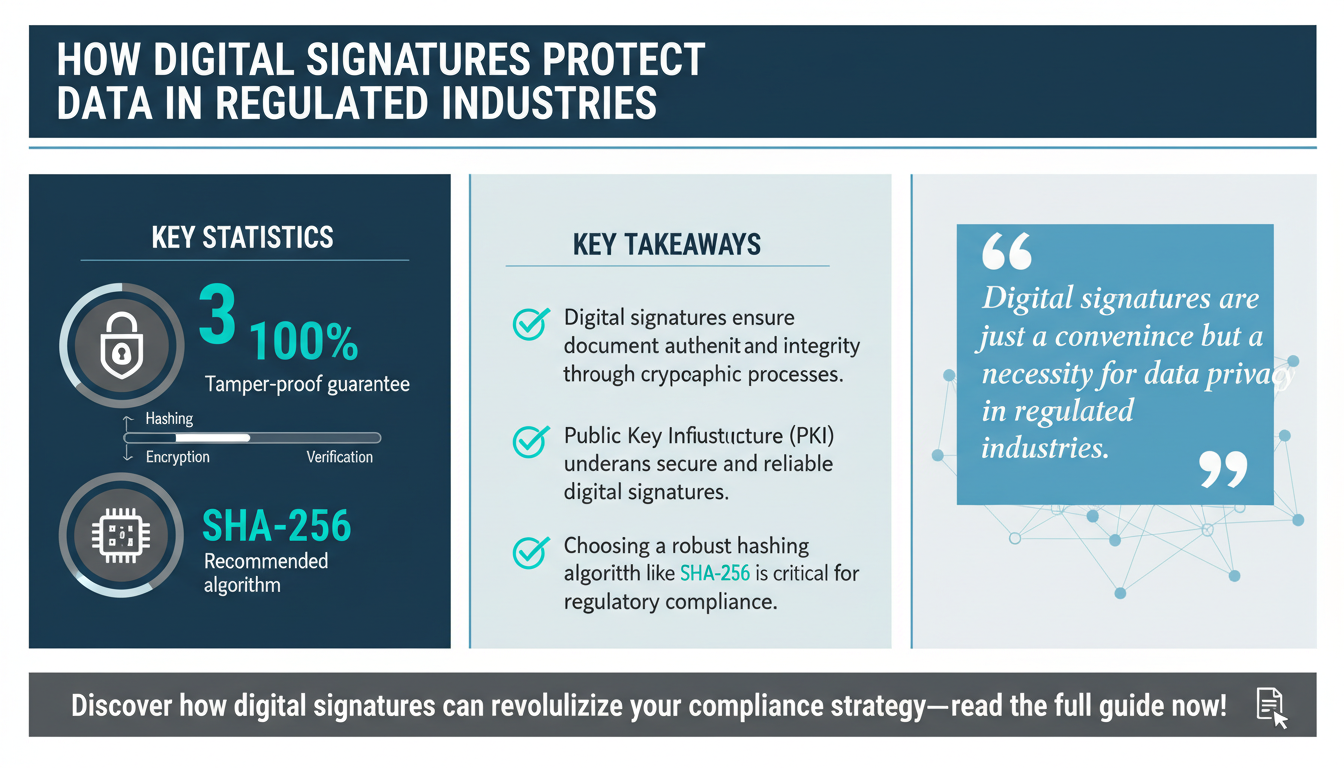
In today's digital-first world, the importance of data privacy and regulatory compliance cannot be overstated. Industries such as healthcare, finance, legal, and real estate are under immense pressure to adhere to stringent data protection laws while maintaining operational efficiency. This dual challenge has led to the widespread adoption of digital signatures, a cornerstone technology that safeguards sensitive information, ensures compliance, and streamlines workflows. This comprehensive guide delves into how digital signatures function, their benefits across various industries, and best practices for their implementation. By the end of this article, you'll understand why digital signatures are not just a convenience but a necessity in highly regulated sectors.
Understanding the Core Mechanisms of Digital Signatures
Digital signatures are a specialized form of electronic signature designed to offer enhanced security and reliability. Unlike traditional electronic signatures, which may simply involve typing a name or drawing a signature, digital signatures rely on cryptographic technologies to ensure the integrity, authenticity, and non-repudiation of a document. This makes them particularly suited for industries where data accuracy and security are paramount.

The core mechanism behind digital signatures is Public Key Infrastructure (PKI). Here’s how the process works:
- Hashing: When a document is signed digitally, it is first run through a hash function, which creates a unique, fixed-size string of characters representing the document's content.
- Encryption: The hash is encrypted using the signer’s private key, creating the digital signature. This private key is securely stored and accessible only to the signer.
- Verification: The recipient of the signed document uses the signer’s public key to decrypt the hash. If the decrypted hash matches the document’s current hash, the signature is verified as authentic, and the document is confirmed as untampered.
This cryptographic process ensures that any unauthorized changes to the document would invalidate the signature, making it an effective tool for protecting data integrity. For example, a healthcare provider using a digital signature to electronically sign a patient consent form ensures that the document has not been altered post-signature. Such a mechanism is not just a best practice but a regulatory necessity under laws like the Health Insurance Portability and Accountability Act (HIPAA).
The Role of PKI in Digital Signatures
Public Key Infrastructure (PKI) is the backbone of digital signatures, ensuring that the technology is both secure and reliable. PKI relies on a pair of keys: a private key, which is unique to the signer and must remain confidential, and a public key, which is shared with recipients to verify the signature. These keys work together in a way that guarantees the authenticity of the signer and the integrity of the signed document.
For instance, consider a scenario where a pharmaceutical company needs to approve a new drug formula. Using a digital signature, the approving authority can sign the document with their private key. When other stakeholders verify it using the corresponding public key, they can be confident that the document hasn’t been tampered with during transit.
Pro Tip: Choose the Right Hashing Algorithm
Not all hashing algorithms are created equal. When selecting a digital signature platform, ensure it uses a robust and widely accepted hashing algorithm like SHA-256. This level of encryption offers superior protection against cyber threats and aligns with most regulatory requirements.
Furthermore, digital signatures create an indelible audit trail. This trail records critical data points such as the identity of the signer, the time and date of signing, and the location (if applicable). This feature is invaluable for organizations undergoing regulatory audits or internal reviews. For example, a legal firm can use the audit trail to verify that a contract was signed by an authorized party at a specific time, reducing the risk of disputes.
Key Insight: The cryptographic backbone of digital signatures provides unparalleled security, making them indispensable for safeguarding sensitive data in highly regulated environments.
The Role of Digital Signatures in Healthcare Compliance
Healthcare organizations handle some of the most sensitive forms of personal data, such as medical records, insurance details, and genetic information. The stakes are high: a data breach can result in severe financial penalties, reputational damage, and, in some cases, compromised patient care. To mitigate these risks, healthcare providers must comply with strict regulations like HIPAA in the United States, the General Data Protection Regulation (GDPR) in Europe, and the Health Information Technology for Economic and Clinical Health (HITECH) Act.

Digital signatures address these compliance requirements in multiple ways:
- Data Integrity: They ensure that patient records, insurance claims, and other sensitive documents remain unaltered after signing.
- Authentication: By requiring robust identity verification methods, digital signatures ensure that only authorized personnel can access or sign sensitive documents.
- Audit Trails: Detailed logs track every stage of the document signing process, making it easier to demonstrate compliance during audits.
Case Study: Digital Signatures in Electronic Health Records
Consider a real-world example: A hospital using a digital signature platform like DocuSign or Zignature for patient consent forms can configure workflows to meet HIPAA’s stringent privacy and security requirements. This not only protects patient data but also minimizes the risk of non-compliance fines, which can reach up to $1.5 million annually for severe violations.
For example, digital signatures can streamline the signing process for telemedicine consent forms. With the rise of virtual consultations, ensuring that patient consent is obtained securely and promptly has become a priority. Digital signature solutions allow patients to sign forms from their personal devices, eliminating delays while maintaining full compliance with healthcare regulations.
Expert Insight: The Cost of Non-Compliance
According to a 2026 study by Health Affairs, healthcare organizations that adopted digital signature solutions experienced a 45% reduction in compliance-related incidents. This statistic underscores the role of technology as a safeguard against operational risks in the healthcare sector. Organizations that fail to adopt such solutions run the risk of costly penalties and reputational harm.
Key Insight: In healthcare, digital signatures are more than a compliance tool; they are a critical component of a robust data security strategy.
How Digital Signatures Enhance Security in Financial Transactions
The financial sector operates under a microscope, with regulators scrutinizing every transaction for signs of fraud, money laundering, and non-compliance. As a result, financial institutions must adhere to laws like the Sarbanes-Oxley Act (SOX), Payment Card Industry Data Security Standard (PCI DSS), and Know Your Customer (KYC) protocols. Digital signatures play a pivotal role in helping financial organizations meet these stringent requirements.

Here are some key benefits of digital signatures in financial transactions:
- Encryption: Sensitive financial data is encrypted during the signing process, ensuring that only authorized parties can access it.
- Fraud Prevention: Digital signatures reduce the risk of forgery and unauthorized transactions by verifying the signer’s identity and intent.
- Regulatory Compliance: They enable financial institutions to automate workflows while adhering to compliance mandates, such as retaining audit trails and verifying document authenticity.
Streamlining Loan Approvals with Digital Signatures
For instance, a bank using digital signatures for mortgage agreements can automate the approval process while ensuring that each signed document meets regulatory standards. This not only accelerates the loan approval process but also provides clients with a secure and transparent experience. Borrowers can sign agreements remotely, eliminating the need for in-person meetings and reducing paperwork errors.
Comparison Table: Traditional vs. Digital Signatures in Finance
| Aspect | Traditional Signatures | Digital Signatures |
|---|---|---|
| Security | Prone to forgery | Uses encryption for robust security |
| Processing Time | Days to weeks | Minutes to hours |
| Compliance | Manual record-keeping | Automated audit trails |
A Gartner report on financial compliance highlighted that 78% of financial institutions adopting digital signatures experienced a significant reduction in document fraud. Additionally, these institutions reported faster transaction times and lower operational costs.
Key Insight: Digital signatures are transforming the financial sector by offering a seamless blend of security, efficiency, and compliance.
Adapting Digital Signatures for Legal and Real Estate Transactions
The legal and real estate industries rely heavily on contracts, agreements, and other forms of documentation. These documents must be legally binding, secure, and tamper-proof. Digital signatures not only fulfill these requirements but also streamline the often cumbersome signing processes.

Legal Sector: In the legal field, contracts often serve as the backbone of transactions and disputes. Digital signatures comply with laws like the Electronic Signatures in Global and National Commerce Act (ESIGN) and the Uniform Electronic Transactions Act (UETA). These laws ensure that digitally signed documents are admissible in court and carry the same legal weight as handwritten signatures.
Real Estate: Real estate transactions often involve multiple parties, tight deadlines, and high-value assets. Digital signatures simplify this process by enabling parties to sign documents remotely and securely. Whether it’s a lease agreement or a purchase contract, digital signatures ensure that deals are closed efficiently and without delays.
Checklist: Implementing Digital Signatures in Real Estate
- Choose a platform compliant with eIDAS and UETA regulations.
- Integrate digital signature tools with document management systems.
- Train staff to ensure smooth adoption and usage.
According to a 2025 study by the National Association of Realtors, real estate firms that implemented digital signature technologies reported a 60% reduction in closing times. This improvement not only boosted client satisfaction but also enhanced the operational efficiency of the firms.
Key Insight: Digital signatures are redefining traditional industries like legal and real estate by combining legal compliance with operational efficiency.
Compliance Pitfalls to Avoid When Using Digital Signatures
While digital signatures offer numerous advantages, their effectiveness depends on proper implementation. Here are some common compliance pitfalls to avoid:
- Improper Integration: Failing to integrate digital signatures into secure workflows can expose organizations to vulnerabilities.
- Inadequate User Training: Employees should be trained to use digital signature tools effectively and securely to prevent errors.
- Neglecting Local Laws: Compliance requirements vary by region, and organizations must ensure that their digital signature solution aligns with all applicable laws.
Pro Tip: Conduct regular training sessions and compliance audits to ensure all team members are up to speed on the latest security practices and regulatory updates. This proactive approach minimizes the risk of human error or non-compliance.
To mitigate these risks, organizations should choose solutions like Zignature, which offer robust compliance features, regular updates, and ongoing support. Additionally, conducting frequent compliance audits can help identify and address potential vulnerabilities.
Key Insight: Avoiding compliance pitfalls requires a proactive approach to training, integration, and regular audits.
Building a Future-Proof Digital Signature Strategy
As technology evolves and regulations change, organizations must adopt a future-proof strategy for digital signatures. Here’s how:
- Continuous Compliance Monitoring: Regularly update workflows to align with new regulations and industry standards.
- Integration: Ensure that digital signature solutions integrate seamlessly with existing tools like CRM, ERP, and document management systems.
- Scalability: Choose a solution that can accommodate the organization’s growth and changing needs.
For example, integrating digital signatures with Artificial Intelligence (AI) tools can enhance document management by automating repetitive tasks and flagging compliance issues in real-time. This not only saves time but also ensures a higher level of accuracy and security.
Expert Insight: The Role of Blockchain in Digital Signatures
Blockchain technology is emerging as a powerful ally for digital signatures. By recording each transaction on a decentralized ledger, blockchain can add an extra layer of transparency and security, making it nearly impossible to tamper with signed documents. This innovation is particularly promising for industries like finance and legal, where trust and authenticity are paramount.
Key Insight: A future-proof digital signature strategy is not just a compliance tool but a driver of innovation and operational excellence.
FAQs About Digital Signatures in Regulated Industries
Q1: Are digital signatures legally binding?
Yes, digital signatures are legally binding in most jurisdictions, provided they comply with local laws like ESIGN and GDPR.
Q2: How do digital signatures differ from electronic signatures?
Digital signatures use cryptographic algorithms and PKI to provide enhanced security, while electronic signatures are broader and may lack the same level of protection.
Q3: Can digital signatures be used for cross-border transactions?
Yes, but organizations must ensure the solution complies with international regulations like eIDAS in the EU.
Q4: What industries benefit the most from digital signatures?
Healthcare, finance, legal, and real estate are among the industries that benefit most due to their stringent compliance requirements.
Conclusion
Digital signatures are no longer optional in highly regulated industries. By ensuring data privacy, streamlining workflows, and meeting compliance requirements, they enable organizations to operate securely and efficiently in an increasingly complex regulatory landscape. Whether in healthcare, finance, legal services, or real estate, digital signatures are transforming the way businesses manage sensitive information and regulatory compliance.
To explore how digital signatures can benefit your organization, consider solutions like Zignature, which offer comprehensive features tailored to industry-specific needs. Additionally, integrating complementary tools like workflow automation platforms can further enhance efficiency and compliance.