
Introduction: The Intersection of Healthcare and Digital Signatures
In the evolving landscape of healthcare, digital transformations are pivotal in enhancing operational efficiencies and safeguarding sensitive patient information. One such transformation is the implementation of digital signature solutions, which not only streamline workflows but also bolster the security and confidentiality of patient data. As healthcare providers navigate the complexities of compliance, patient engagement, and data management, digital signatures emerge as a critical tool. In this comprehensive guide, we delve into the integration of digital signature solutions within the healthcare sector, focusing on how these technologies enhance patient data security and optimize healthcare delivery.

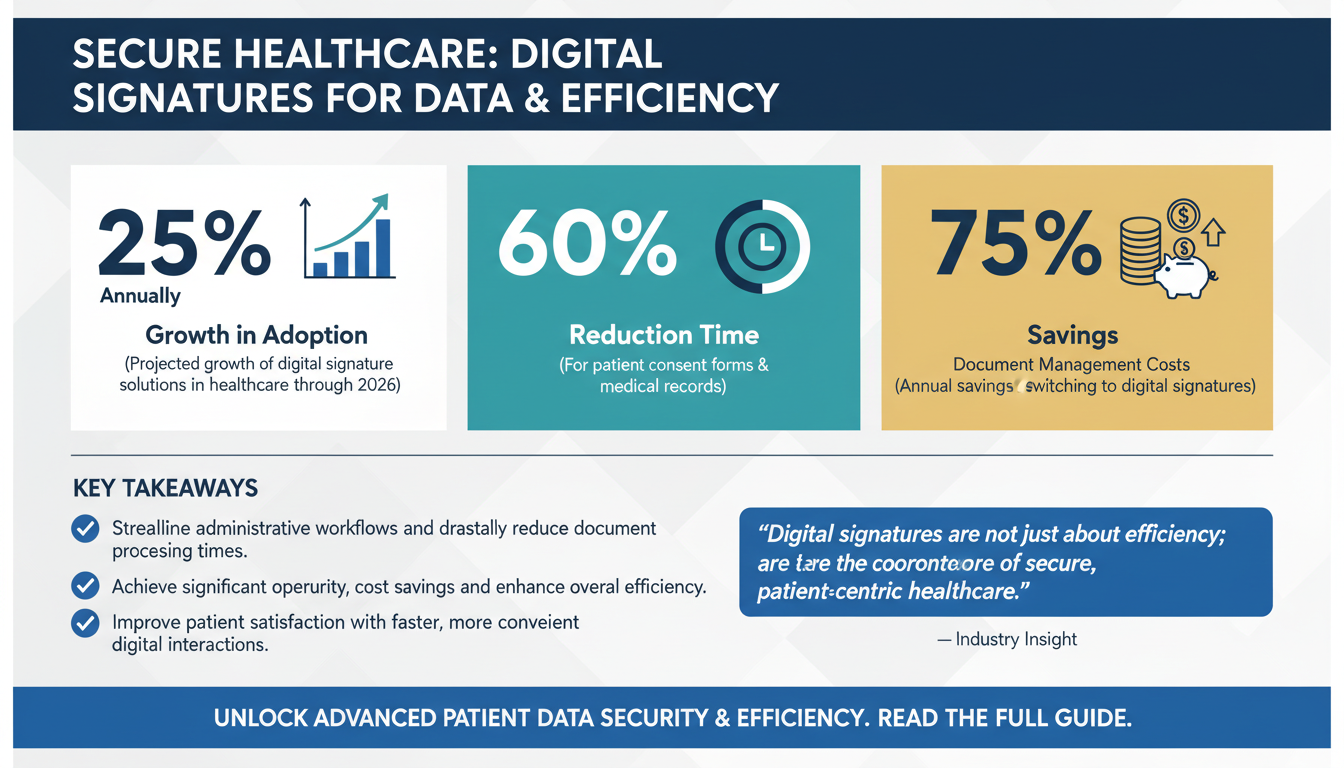
According to a Gartner study, the adoption of digital signature solutions in healthcare is projected to grow by 25% annually through 2026, underscoring their increasing importance in the industry. With rising concerns over data breaches and regulatory compliance, the need for secure and efficient e-signature solutions is more pressing than ever.
This article offers a detailed blueprint for healthcare organizations seeking to implement digital signature solutions effectively. We will explore the benefits, discuss common pitfalls, and provide actionable steps to ensure a seamless integration that enhances patient data security.
The Benefits of Digital Signatures in Healthcare
Digital signatures provide a myriad of benefits to healthcare organizations. They ensure the authenticity, integrity, and non-repudiation of electronic documents, thereby enhancing trust and security. In a sector where patient data privacy is paramount, digital signatures play a crucial role in ensuring that sensitive information is handled with the utmost care.

One of the primary advantages of digital signatures is their ability to streamline administrative processes. According to McKinsey, healthcare providers using digital signatures report a 60% reduction in processing times for patient consent forms and medical records. This efficiency not only frees up valuable resources but also enhances patient satisfaction by reducing wait times.
Enhancing Operational Efficiency
By automating the documentation process, digital signatures eliminate the delays associated with manual paperwork. This automation is particularly beneficial in large healthcare facilities where the volume of documents processed daily can be overwhelming. For instance, a hospital that processes thousands of patient records monthly can save hours of administrative time, allowing healthcare professionals to focus more on patient care rather than paperwork.
Moreover, digital signatures facilitate better coordination between departments. With electronic records, different departments within a healthcare facility can access and manage patient information simultaneously, reducing the chances of miscommunication and errors. This is especially important in emergency situations where time is critical, and every second counts.
Additionally, digital signatures provide significant cost savings. By reducing the need for physical storage space and minimizing paper usage, healthcare facilities can lower their operational costs. According to a Statista report, organizations that switch to digital signatures can save up to 75% on document management costs annually.
Improving Patient Experience
Patients benefit from the streamlined processes enabled by digital signatures. With quicker processing times, patients experience reduced waiting periods for appointments and procedures. Furthermore, the convenience of signing documents electronically, whether in-person or remotely, improves patient engagement and satisfaction.
Digital signatures also enhance transparency in patient-provider interactions. Patients can receive electronic copies of their signed documents, promoting trust and clarity in their healthcare journey. This transparency is vital in building patient confidence in the healthcare system, ultimately leading to better health outcomes.
Key Challenges in Implementing Digital Signature Solutions
Despite their numerous benefits, implementing digital signature solutions in healthcare is not without challenges. Understanding these obstacles is crucial to devising effective strategies for successful integration. One significant hurdle is the resistance to change, often rooted in a lack of understanding or fear of technology among healthcare staff.

Additionally, integration with existing healthcare systems can be challenging. Many healthcare providers use legacy systems that may not be compatible with modern digital signature technologies. This incompatibility can hinder the seamless flow of information and disrupt healthcare operations.
Overcoming Resistance to Change
Resistance to change is a common issue in technology adoption across industries, and healthcare is no exception. To address this, healthcare organizations should engage staff early in the process, seeking their input and addressing concerns. Implementing change management strategies, such as providing clear communication and demonstrating the benefits of digital signatures, can alleviate apprehensions and foster a more supportive environment for technological adoption.
Healthcare leaders can also highlight success stories from other organizations that have successfully integrated digital signatures. Case studies and testimonials can serve as powerful tools to illustrate the tangible benefits and encourage buy-in from staff at all levels.
Navigating System Integration
Legacy systems often pose significant challenges in integrating new digital solutions. Conducting a thorough assessment of existing systems and identifying potential integration points is crucial. Healthcare providers may need to collaborate with IT specialists to develop custom solutions or upgrade their existing infrastructure to support digital signature technology.
Furthermore, choosing a digital signature solution with flexible APIs and integration capabilities can facilitate smoother integration with existing systems. This ensures that digital signatures can be seamlessly incorporated into existing workflows without causing disruptions.
Ensuring Compliance and Security
Compliance with industry regulations is a critical concern when implementing digital signature solutions. Healthcare providers must ensure that their chosen solution meets all regulatory requirements and provides robust security features to protect patient data. This includes implementing strong encryption protocols, multi-factor authentication, and maintaining comprehensive audit trails.
By collaborating with legal experts and technology partners, healthcare providers can navigate the complex regulatory landscape and ensure that their digital signature solutions remain compliant with all relevant laws and standards.
Step-by-Step Guide to Implementing Digital Signatures in Healthcare
Effective implementation of digital signatures in healthcare requires a strategic approach, involving several key steps. By following a structured process, healthcare providers can ensure a smooth transition to digital signatures while maintaining compliance and enhancing patient data security.

Step 1: Conduct a Needs Assessment
Begin by assessing the specific needs of your healthcare organization. Identify the documents and processes that would benefit most from digital signatures, such as patient consent forms, medical records, and insurance documents.
Identifying Key Use Cases
A detailed needs assessment involves identifying specific use cases where digital signatures can provide the most value. Consider areas with high paperwork volumes or critical data security needs. This targeted approach ensures that digital signature solutions address the most pressing challenges within the organization.
Engaging different departments in the needs assessment process can provide valuable insights into their unique challenges and requirements. This collaborative approach helps in designing a solution that meets the diverse needs of the organization.
Step 2: Choose the Right Solution
Select a digital signature solution that aligns with your organization's needs and integrates seamlessly with existing systems. Consider factors such as ease of use, security features, and compliance with healthcare regulations. It is also important to assess the scalability of the solution, ensuring it can grow with your organization.
Evaluating Vendor Options
When choosing a digital signature solution, healthcare providers should evaluate multiple vendors, considering factors such as reputation, customer reviews, and support services. Conducting pilot programs with shortlisted vendors can help assess the solution's performance in real-world scenarios.
Additionally, healthcare providers should consider the total cost of ownership, including initial setup costs, subscription fees, and potential costs for future upgrades or support. This comprehensive evaluation ensures that the chosen solution aligns with the organization's budget and long-term goals.
Step 3: Develop a Training Program
Educate staff on the use and benefits of digital signatures. A comprehensive training program will address any concerns and ensure that all users are comfortable with the new technology. Incorporating ongoing training sessions and refreshers will help integrate the technology into daily operations.
Creating Engaging Training Modules
Effective training programs should be interactive and engaging, incorporating hands-on practice and real-life scenarios. Healthcare organizations can utilize online training platforms for self-paced learning, complemented by in-person sessions for hands-on practice and Q&A.
Regularly updating training materials to reflect system updates or new features ensures that staff remain informed and confident in using the digital signature solution. Providing ongoing support and a dedicated helpdesk for addressing user queries can further enhance the training experience.
Step 4: Implement and Monitor
Roll out the digital signature solution in phases to manage the transition effectively. Continuously monitor the system's performance and gather feedback to make necessary adjustments. Establishing a feedback loop with staff can help identify potential issues early and adapt the implementation strategy as needed.
Monitoring and Continuous Improvement
Post-implementation, continuous monitoring is essential to ensure the digital signature solution operates smoothly and meets organizational needs. Regularly reviewing usage data, user feedback, and system performance can help identify areas for improvement.
Establishing a dedicated team to oversee the digital signature solution can facilitate ongoing optimization and ensure that the organization maximizes the benefits of the technology. This team can also lead efforts to explore additional use cases or integration opportunities as the organization grows.
Ensuring Compliance with Regulations
Compliance with industry regulations is a critical aspect of implementing digital signatures in healthcare. The Health Insurance Portability and Accountability Act (HIPAA) sets stringent requirements for the protection of patient data, and digital signature solutions must align with these standards.
To ensure compliance, healthcare providers must select solutions that offer robust security features, such as end-to-end encryption and audit trails. These features not only protect patient data but also provide a clear record of document interactions, which is essential for regulatory compliance.
Understanding Regulatory Requirements
Healthcare providers must have a thorough understanding of the regulatory requirements applicable to digital signatures. This includes HIPAA, HITECH, and other relevant standards that govern the secure handling of electronic health information.
Working closely with compliance officers and legal experts can help healthcare organizations navigate the complex regulatory landscape and ensure that their digital signature solutions meet all necessary requirements. Regular compliance training for staff can further reinforce the importance of adhering to regulatory standards.
Additionally, it's crucial to stay informed about the evolving regulatory landscape. Regulations can change rapidly, and healthcare providers must remain agile to adapt to new requirements. Collaborating with legal experts and technology partners can provide valuable insights and ensure that digital signature solutions remain compliant.
A Deloitte analysis highlights the importance of ongoing compliance monitoring, recommending regular audits and updates to digital signature solutions to address any gaps in compliance.
Implementing Robust Security Measures
In addition to regulatory compliance, healthcare providers must implement robust security measures to protect patient data. This includes utilizing multi-factor authentication, ensuring secure access controls, and regularly updating software to address potential vulnerabilities.
Conducting regular security audits and penetration testing can help identify and address potential security weaknesses. Healthcare providers should also maintain an incident response plan to promptly address any security breaches and mitigate potential impacts.
Leveraging Digital Signatures for Enhanced Patient Data Security
Digital signatures play a pivotal role in enhancing patient data security, a primary concern for healthcare providers. By ensuring the integrity and authenticity of electronic documents, digital signatures help prevent unauthorized access and data breaches.
One of the key security features of digital signatures is their ability to provide a tamper-evident seal. This seal ensures that any alteration to the document after signing is immediately detectable, thus preventing unauthorized modifications.
Implementing Encryption Protocols
Encryption is a critical component of digital signature solutions that enhances data security. By encrypting documents and communication channels, healthcare providers can ensure that patient information remains confidential and protected from unauthorized access.
Healthcare organizations should choose solutions that support advanced encryption standards, such as AES-256, and regularly review their encryption policies to ensure compliance with industry best practices.
Moreover, digital signatures enable secure document transmission. With encryption protocols in place, sensitive patient information can be exchanged securely between healthcare providers, patients, and insurance companies, reducing the risk of interception by malicious actors.
According to a World Health Organization report, healthcare data breaches account for more than 20% of all data breaches globally. Implementing digital signatures effectively mitigates this risk by providing enhanced security measures.
Enhancing Auditability and Transparency
Digital signatures facilitate auditability, allowing healthcare providers to track and review document interactions to identify any potential security incidents or breaches, further strengthening their data protection strategies.
By maintaining detailed audit logs and records of signature events, healthcare organizations can demonstrate compliance with regulatory requirements and respond effectively to any security inquiries or investigations.
Common Mistakes and How to Avoid Them
While digital signatures offer significant advantages, certain common mistakes can hinder their effective implementation in healthcare. Recognizing and avoiding these pitfalls is crucial for a successful rollout.
Mistake 1: Overlooking Staff Training
One of the most common mistakes is neglecting staff training. Without proper training, staff may resist using new technologies or use them incorrectly, leading to errors and inefficiencies. Comprehensive training programs should be designed to address these issues and should include hands-on practice and continuous support.
Addressing Training Gaps
Healthcare organizations should conduct regular training needs assessments to identify any gaps in knowledge or skills among staff. Tailoring training programs to address these gaps ensures that all users are equipped to effectively use digital signature solutions.
Incorporating feedback from staff into the training program design can also improve its relevance and effectiveness, leading to better adoption and utilization of digital signatures.
Mistake 2: Choosing Incompatible Solutions
Healthcare providers may choose digital signature solutions that do not integrate well with existing systems. This incompatibility can lead to workflow disruptions and data silos. Conducting thorough compatibility assessments before solution selection can help prevent these issues.
Conducting Compatibility Assessments
Before selecting a digital signature solution, healthcare providers should conduct detailed assessments of their existing IT infrastructure and compatibility requirements. Engaging IT specialists to evaluate potential solutions can help identify any compatibility issues and ensure seamless integration.
Additionally, healthcare organizations should prioritize solutions that offer flexible integration options and robust technical support to address any potential integration challenges.
Mistake 3: Ignoring Compliance Requirements
Failing to ensure compliance with industry regulations can result in legal penalties and data breaches. It's essential to choose solutions that meet all regulatory standards. Regular compliance audits and updates to the digital signature system can help maintain alignment with changing regulations.
Implementing Compliance Checks
To avoid compliance pitfalls, healthcare providers should establish regular compliance checks and audits of their digital signature solutions. This proactive approach helps identify any potential compliance gaps and ensures that solutions remain aligned with current regulatory requirements.
Working closely with legal experts and compliance officers can provide valuable insights and support in maintaining regulatory compliance.
Future Trends in Digital Signature Solutions for Healthcare
As technology continues to evolve, digital signature solutions are poised to become even more integral to healthcare operations. Emerging trends are set to shape the future of digital signatures, offering new opportunities for enhanced patient data security and operational efficiency.
One such trend is the integration of blockchain technology. By providing a decentralized and immutable ledger, blockchain enhances the security and transparency of digital signatures, making them even more robust against tampering and fraud.
Exploring Blockchain Integration
Blockchain technology offers significant potential for enhancing the security and reliability of digital signatures. By creating a permanent and tamper-proof record of signature events, blockchain can provide an additional layer of security for sensitive healthcare documents.
Healthcare providers exploring blockchain integration should consider the technical requirements and potential challenges associated with implementing blockchain solutions. Collaborating with technology partners and blockchain experts can provide valuable insights and support in leveraging this emerging technology.
Another trend is the use of artificial intelligence (AI) to streamline document workflows. AI can automate the verification process, ensuring that all signatures are valid and compliant with regulations, thereby reducing administrative burdens.
Leveraging AI for Automation
AI technologies can enhance the efficiency of digital signature processes by automating routine tasks such as document verification and compliance checks. This automation reduces the administrative workload and allows healthcare professionals to focus on more critical tasks.
Furthermore, mobile-first solutions are gaining traction, allowing healthcare providers to manage digital signatures on-the-go. This flexibility enhances accessibility and efficiency, particularly in remote or resource-limited settings.
According to a IBM report, blockchain and AI are expected to drive significant advancements in healthcare technology by 2030.
Embracing Mobile Solutions
As mobile technology becomes increasingly prevalent, healthcare providers are adopting mobile-first solutions for managing digital signatures. Mobile solutions enable healthcare professionals to access and sign documents from anywhere, improving accessibility and responsiveness.
Healthcare organizations should prioritize solutions that offer robust mobile support and security features to ensure that patient data remains protected, even when accessed on mobile devices.
FAQ: Common Questions about Digital Signatures in Healthcare
1. What are digital signatures, and how do they work in healthcare?
Digital signatures are electronic signatures that provide a secure and verifiable way to sign documents. In healthcare, they ensure the authenticity and integrity of electronic medical records and patient consent forms.
2. Are digital signatures legally binding in healthcare?
Yes, digital signatures are legally binding in healthcare, provided they comply with industry regulations such as HIPAA. They offer the same legal standing as traditional handwritten signatures.
3. How do digital signatures enhance patient data security?
Digital signatures enhance patient data security by providing a tamper-evident seal, preventing unauthorized access, and ensuring secure document transmission through encryption protocols.
Addressing Common Concerns
4. What are the key regulatory considerations for implementing digital signatures in healthcare?
Key regulatory considerations include ensuring compliance with HIPAA, maintaining audit trails, and selecting solutions that offer robust security features such as encryption and authentication.
For more detailed insights into digital signatures in healthcare, consider exploring our article on streamlining healthcare compliance with digital signatures.
Conclusion: The Path Forward for Digital Signatures in Healthcare
The integration of digital signature solutions in healthcare represents a transformative step towards enhanced patient data security and operational efficiency. As healthcare providers continue to embrace digital innovations, the role of digital signatures will only grow more significant, providing a secure and efficient way to manage sensitive information.
By understanding the benefits, addressing challenges, and following a structured implementation process, healthcare organizations can successfully navigate the transition to digital signatures. In doing so, they not only enhance patient data security but also position themselves at the forefront of healthcare innovation.
Exploring Complementary Tools
To complement your digital signature strategy, consider leveraging tools like Apparatuz for workflow automation, Applicantz for recruitment processes, and Schedly for appointment management. Together, these solutions offer a comprehensive approach to optimizing healthcare operations.